
Travel is booming—but so are travel risks and uncertainties. From weather disruptions to political unrest, understanding travel advisories is essential for planning a safe trip.
This guide explains what advisories mean, how to interpret them, resources to better prepare for travel to your next destination and how travel insurance helps protect you.
What Are Travel Advisories and What Do They Really Mean?
Travel advisories are government-issued safety ratings that help travelers assess risk levels in a destination. Travel advisories range from low-risk (Level 1) to high-risk (Level 4) and are designed to help travelers make informed decisions.
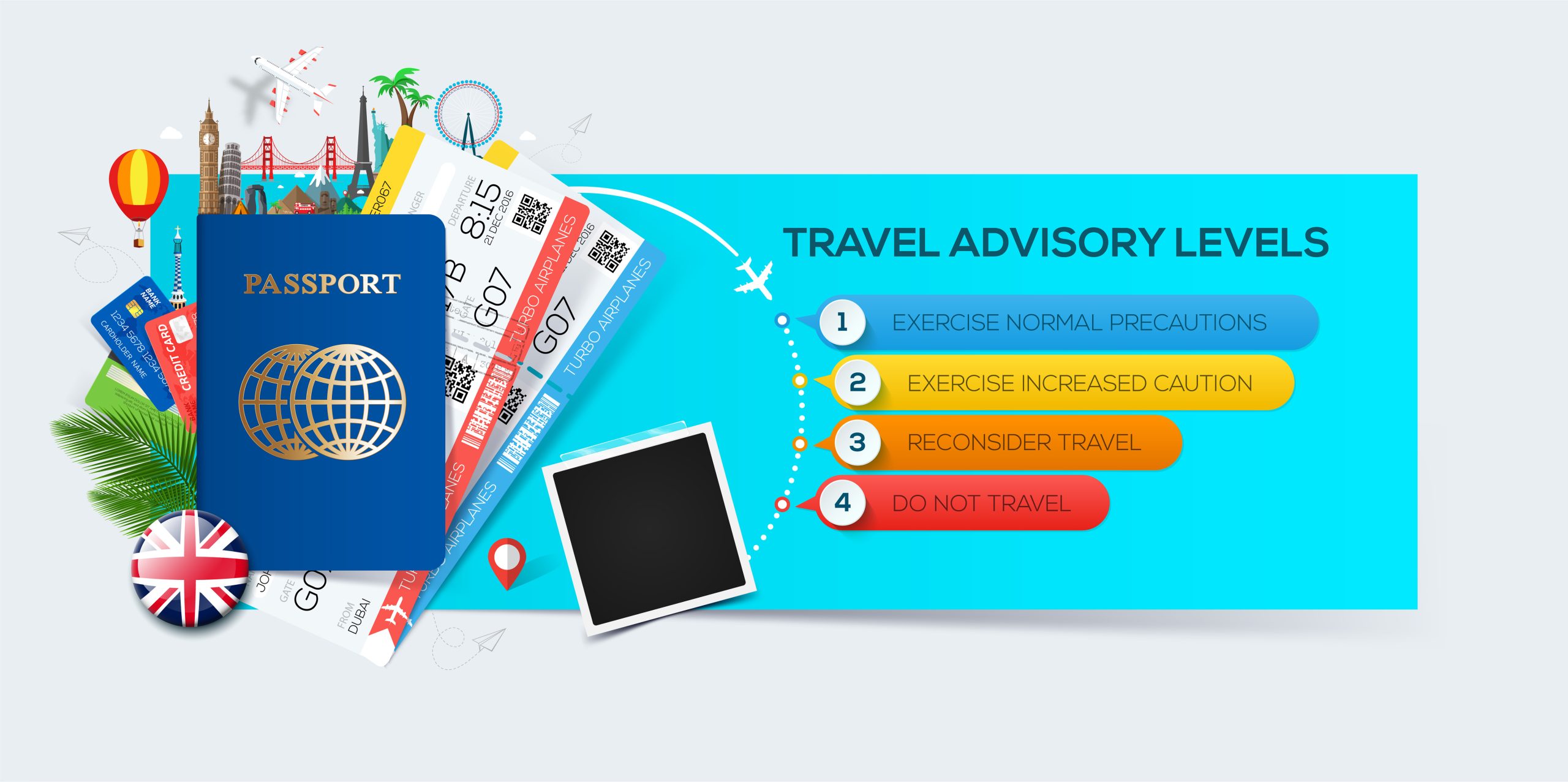
The U.S. uses a 4-level system:
Level 1: Exercise Normal Precautions – safe, but as with any travel stay aware
Level 2: Exercise Increased Caution – generally safe, but still important to review areas you may traveling in advance to understand possible risks
Level 3: Reconsider Travel – evaluate the risks and prepare should you choose to travel there.
Level 4: Do Not Travel – serious concerns that can impact your travel plans as well as your safety.
If you choose to travel to any country outside the US, ideally you should check out the US State Department Travel Advisory site in advance to understand the specific warnings and risk level to see how or if it may affect your travels. In addition, you can gain some insight and safety advice when traveling in high-risk areas, including steps to stay safe from crime.
2026 Travel Advisory Trends
Recent updates highlight:
- Rising geopolitical tensions in regions like the Middel East
- Increased weather-related disruptions
- Health alerts and localized outbreaks
- Crime concerns in major tourist cities
Smart Safety and Trip Preparation Tips
Conditions can shift quickly—even in popular destinations, here are some tips to help you prepare for your travel.
- Check advisories regularly (before and after booking)
- Register your trip for real-time alerts and guidance with the Smart Traveler Enrollment Program (STEP)
- Consider backup plans (routes, lodging, contacts)
- Avoid high-risk areas within the destinations you plan to travel to*
- Purchase travel insurance to protect your trip and your investment
*Some countries may have risk advisories and alerts blanketed for an entire country. These high-risk advisories may however only apply to certain areas and regions within the country and not the entire country. It is important to look closer at the details of the advisory to see if your primary destination may be affected and if so to what extent, so you may plan accordingly.
Want To Be Better Prepared for Your Trip?
Check out Essential International Travel Tips to learn more about requirements for passports, visas, free enrollment in STEP (Safe Travelers Enrollment Program) and other recommendations to ensure a smoother travel experience when traveling abroad.
You should also visit the US State Department Travel Planning page , which can provide essential tips, guidance, and resources when traveling abroad.
How Travel Insurance Helps
Travel insurance adds a layer of financial protection and services that are critical when you travel, including coverage for:
- Trip cancellations or interruptions
- Emergency medical care
- Medical evacuation
- Political evacuation (some plans)
- Travel delays
- And even assistance Services to help replace lost or stolen travel documents, prescription refills, medical and legal referrals, plus so much more
The availability of some benefits can depend on when you buy your policy. Known advisories such as named storm or hurricane already declared may limit coverage, so it’s important to secure a plan soon after booking.
Optional CFAR (Cancel For Any Reason) coverage offers enhanced flexibility beyond the numerous covered reasons included in a travel insurance plan but must be purchased within 14 days of your initial booking to be eligible.
Real-World Example
You book a trip, then a travel advisory is issued weeks later regarding a hurricane or named storm that ends up impacting your trip.
- Without insurance: You risk losing non-refundable costs if the trip is cancelled, interrupted, or incurred added expenses due to your trip being delayed from departing or returning, missing a flight connection, or perhaps even a delay in baggage or another covered events.
- With coverage: You may be able to cancel or recover other expenses you incur as a result of the unexpected storm that impacted your trip.
Final Takeaway
Travel advisories are a planning tool—not a reason to panic. By combining awareness, smart planning, and securing a TME Travel Insurance plan, you can travel confidently and protect yourself and your investment, even in an unpredictable world.