

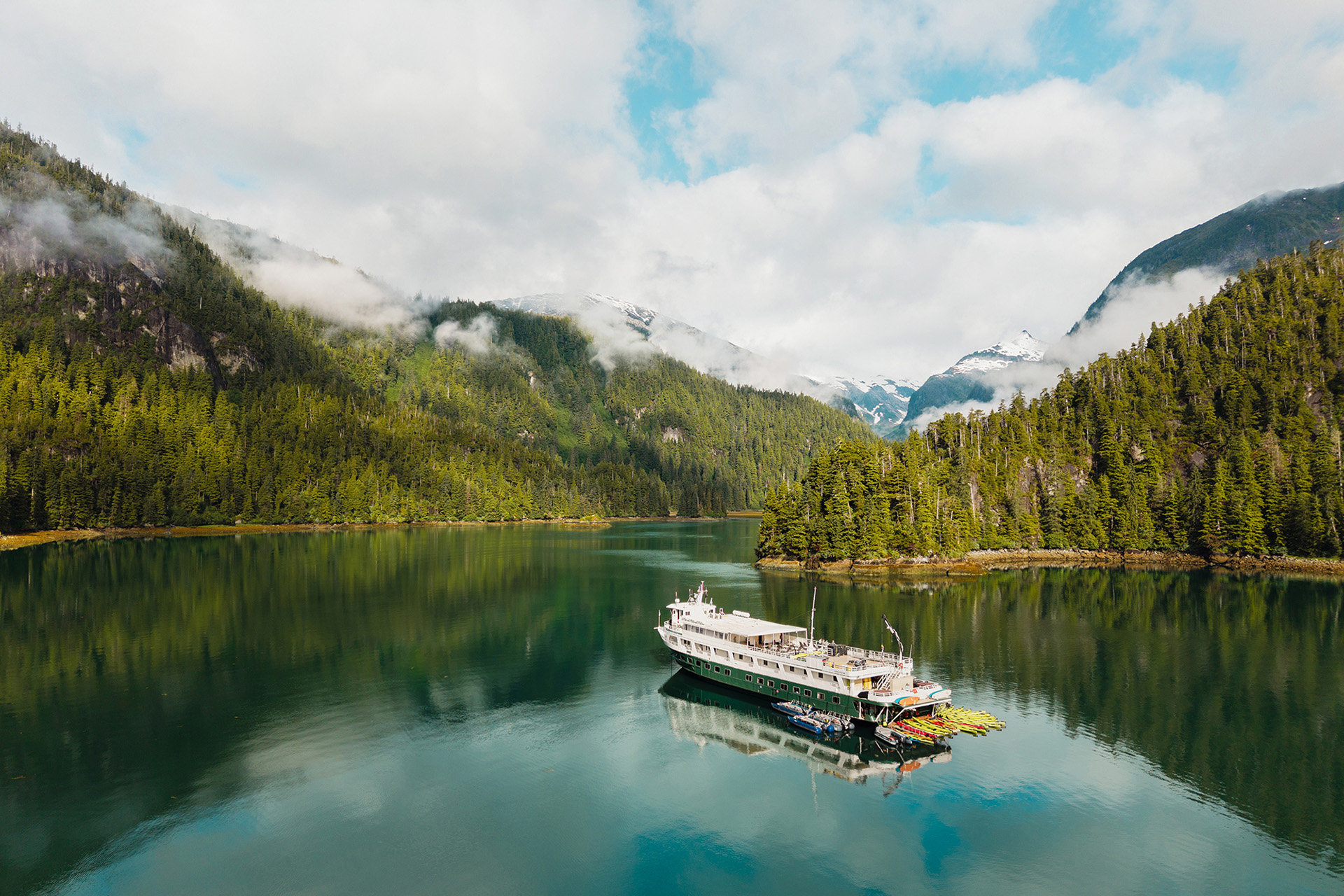
Small ship sailing has surged in popularity as travelers seek flexible and immersive experiences. Unlike mega-cruises, which can have their advantages, these intimate voyages may unlock remote destinations, limit crowds, and deliver a highly personalized journey—making them especially appealing for many travelers.
But with these unique itineraries comes greater complexity, which makes preparation—and protection—more important than ever.
What Is Small Ship Sailing?
Small ship sailing typically refers to vessels carrying under 200 passengers, often including expedition ships, yachts, and sailing vessels. These trips prioritize access over scale, allowing travelers to explore places large ships simply can’t reach in some cases. In some cases, these cruises are not port centric, as many activities are done directly from the ship.
Why Small Ship Sailing Is So Popular
- Access to Unique, Hard-to-Reach Destinations
Small ships can navigate narrow waterways and remote coastlines, opening up destinations like:
- The Galápagos Islands – a UNESCO World Heritage Site
- Alaska’s Inside Passage
- Arctic and Antarctic regions
- Croatia’s Dalmatian Coast
These are places where large cruise ships are not able to dock as easily in some cases, creating a more exclusive experience.
- Smaller Groups and Immersive Experiences
Fewer passengers onboard, with small ship itineraries often equates to:
- Enhanced personalized service and flexible itineraries
- Easier embarkation and disembarkation
- A more relaxed, less commercial atmosphere
- More local cultural interactions with deeper engagement
- Guided excursions with experts (naturalists, historians)
Best Destinations for Small Ship Sailing (and When to Go)
Timing matters significantly for these specialized trips.
Polar Regions (Arctic & Antarctica)
- Best time: November–March (Antarctica), June–August (Arctic)
- Why go: Wildlife, glaciers, expedition-style travel
Mediterranean & Croatia
- Best time: May–June, September–October
- Why go: Walled coastal towns, picturesque islands and fresh seafood
Galápagos Islands
- Best time: Year-round (peak wildlife varies by season)
- Why go: Unmatched biodiversity and guided exploration
Alaska
- Best time: April–September
- Why go: Glaciers, wildlife, hiking and kayaking
How to Prepare for a Small Ship Sailing Trip
Because these trips are often remote and logistically complex, preparation is key.
- Book Early and Understand the Itinerary
Small ship cabins are limited and can sell out quickly. It’s important to review:
- Route details
- Excursion intensity levels
- Weather variability
- Plan Flights Carefully
Many trips depart from remote ports requiring multiple connections.
Build in:
- Buffer days before departure
- Flexible travel arrangements
- Pack for Conditions, Not Just Destination
Expedition-style travel often requires:
- Layered clothing
- Waterproof gear
- Specialized footwear
- Monitor Travel Advisories & Entry Requirements
Check:
- Government travel advisories
- Visa requirements
- Vaccination or health protocols
Why Travel Insurance Is Essential for Small Ship Sailing
Small ship sailing trips are often high-value, prepaid, and logistically complex—which increases financial risk.
Key Reasons to Protect Your Trip
- Trip Interruptions & Delays
Remote destinations mean limited alternative routes.
Coverage can help if:
- Flights are delayed or missed
- Weather disrupts embarkation
- Medical Emergencies in Remote Areas
Many itineraries travel far from major hospitals.
Travel insurance can cover:
- Emergency medical care
- Medical evacuation (which can cost $75,000+)
- Trip Cancellation Protection
These trips are often expensive and non-refundable.
Coverage helps recover costs if you cancel due to:
- Illness or injury
- Family emergencies
- Many other unforeseen events
- Baggage & Gear Protection
Lost or delayed baggage can be especially disruptive when specialized gear is required.
A TME Travel Insurance policy is a great solution to protect your trip, finances and health should the unexpected happen.
FAQs
Is small ship sailing worth it?
Absolutely—travelers gain access to unique destinations, typically fewer crowds, and more immersive experiences.
Are small ship cruises more expensive?
Typically yes, but they offer higher value through exclusive access and personalized service.
Do you need travel insurance for small ship sailing?
Strongly recommended due to high trip costs, remote locations, and limited infrastructure.
Final Takeaway
Small ship sailing is redefining how people explore the world—favoring depth, authenticity, and access over scale. But with that uniqueness comes added complexity.
Being prepared—smart planning and the right travel insurance—ensures your once-in-a-lifetime journey stays memorable for the right reasons.